
Gas Chromatography
Separates volatile compounds by vaporising them and passing them through a column with an inert carrier gas.
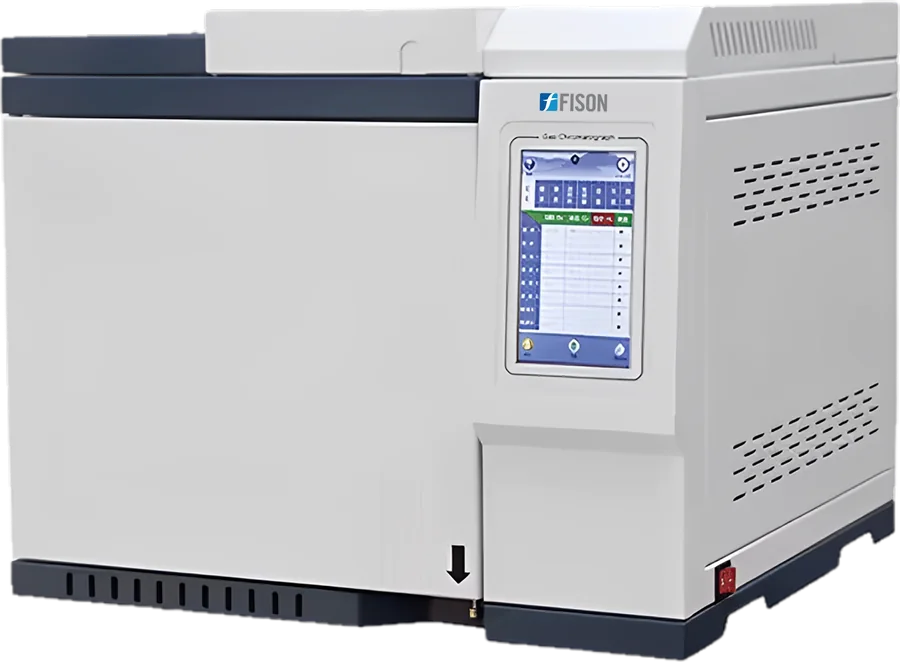
Gas chromatography is a widely used analytical technique for separating and quantifying volatile compounds by vaporising them and passing them through a column using an inert carrier gas.
It is ideal for analysing gases and volatile substances with high precision in industrial and research applications.
How it works
Vaporisation
The sample is vaporised and carried through the system using an inert carrier gas.
Separation
Components interact with the stationary phase inside the column and separate based on volatility and interaction strength.
Detection
Components are detected using FID, NPD and TCD detectors for accurate compound identification.
The column sits inside a temperature-controlled oven, allowing precise control over separation and improving the accuracy of results.
At a glance
| Detectors | FID · NPD · TCD |
|---|---|
| Carrier | Inert carrier gas |
| Service | Method development, validation & routine testing |
Have a sample or a complex analytical question?
Share your requirement and our scientists will come back with the right technique, timeline and quotation.